Cold Chain Logistics
ITC Group: 30 Years Keeping Singapore's Cold Chain Intact
Published by Verticle in June 2026
Cold chain logistics does not get talked about much until something goes wrong.
A temperature excursion during transport. A pharmaceutical shipment that arrives outside the required range. A food product that clears customs and enters distribution in a state it was never meant to reach the consumer in. When any of these happen, the cold chain is the first thing audited and the last thing anyone wants to have questions about. The business responsible for keeping that chain intact is suddenly very visible, and not in a good way.
ITC Group of Companies has been building cold chain infrastructure in Singapore since 1992. Over three decades, the group has grown from a focused local operation into one of the more established names in Singapore's temperature-sensitive logistics landscape, serving clients across the food and beverage sector and the pharmaceutical industry. The tagline is simple: they deliver safety. The record behind it is not.
What cold chain logistics actually demands
Most people understand that cold chain logistics means keeping things cold. What is less obvious is how many things can go wrong across a supply chain with multiple handoff points, variable ambient conditions, and regulatory requirements that differ by product type and destination. Temperature-sensitive cargo is not like general freight. A few hours in the wrong environment can render an entire shipment unusable. The documentation requirements to prove that the chain held at every stage are substantial.
In the food and beverage sector, the range of products moving through cold chain infrastructure spans fresh produce, dairy, frozen goods, and prepared meals. Each category has different temperature requirements, different shelf-life sensitivities, and different handling specifications. In the pharmaceutical sector, the margin for error is tighter still. Biologics, vaccines, and temperature-sensitive medications often have narrow acceptable ranges. A deviation that looks minor on paper can make a product non-compliant and unfit for use. Regulatory bodies do not accept approximations.
ITC Group is built around meeting those requirements across three service areas that work together rather than independently.
Containers: the right unit, on the right terms
The first area is container sales and leasing. ITC provides both general purpose and refrigerated containers, available brand new or secondhand, on terms that range from a single day to long-term arrangements. For businesses managing cross-border trade in temperature-sensitive goods, this matters more than it might appear.
Finding the right container type for a specific cargo and destination is not always straightforward. Reefer units — refrigerated containers used for sea freight — vary in specification, condition, and availability. A business that has to source one under time pressure, from an unfamiliar supplier, while also managing the rest of a complex shipment, is dealing with a variable it does not need. ITC's container operation removes that variable. Clients access the right unit for their cargo, their destination, and their timeline from a supplier that knows what it is providing and why.
The secondhand market for containers is also where ITC's operational depth shows. Knowing what a reefer unit is actually capable of, what its maintenance history says about its reliability, and what its realistic lifespan looks like under the conditions of a specific shipment requires the kind of inventory knowledge that only comes from years of working in the space.
Coldroom construction: built for the environment it will operate in
The second area is coldroom construction. ITC provides turnkey design and build solutions for coldroom facilities across logistics operations, food service environments, and pharmaceutical and chemical storage facilities. Turnkey means ITC takes the project from initial design through to handover, including all regulatory submissions to Singapore's statutory boards. Clients do not coordinate between an architect, a contractor, and a compliance consultant. ITC handles the outcome.
What makes this more than a standard construction service is the range of environments ITC builds for. A coldroom in a logistics facility is not the same as a coldroom in a food service kitchen or a pharmaceutical storage facility. Temperature requirements differ. Humidity specifications differ. Hygiene standards differ. Regulatory compliance requirements differ. A team that has built across all three categories understands those differences at the design stage, not when problems show up after handover.
The maintenance capability that comes with the construction service matters for the same reason. A coldroom that is well-built but poorly maintained drifts out of specification over time. ITC's ongoing maintenance support means the facilities it builds remain fit for purpose across their operational life. The relationship does not end at the point of handover.
Warehousing and distribution: closing the last mile
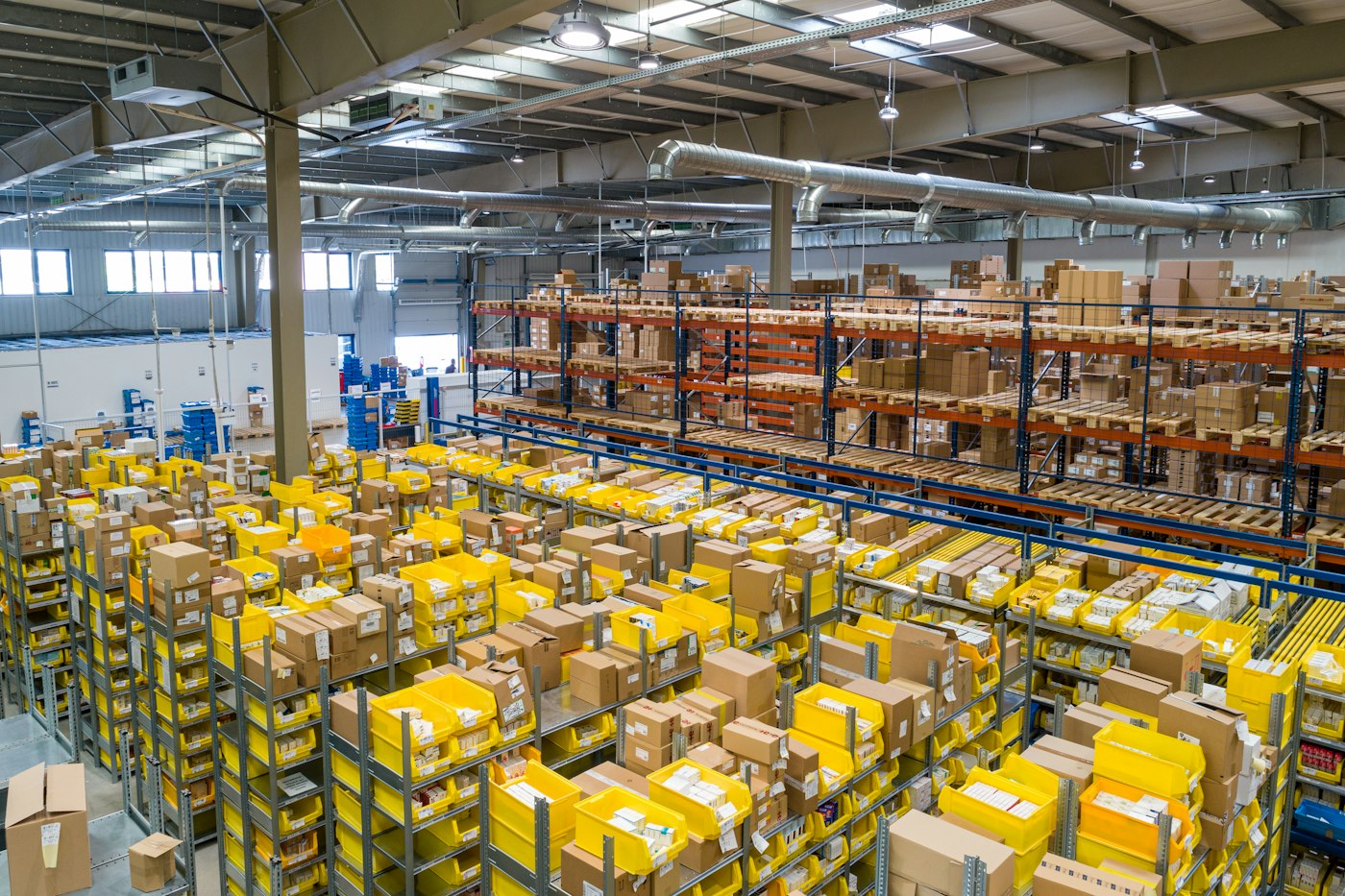
The third area is warehousing and distribution. ITC operates cold storage facilities in Singapore for frozen and chilled products, providing clients with local warehousing alongside ecommerce last-mile delivery. Value-added services including repackaging, portion preparation, and labelling are available within the same operation.
The last-mile dimension is where the service addresses a gap that standard logistics networks cannot fill. Singapore's ecommerce market has grown substantially, and so has consumer demand for temperature-sensitive products delivered to the door. Standard courier infrastructure is not designed for this. It is designed for ambient goods that can tolerate a range of handling conditions. A business selling fresh or chilled products online cannot route those orders through a general courier network and expect the product to arrive in acceptable condition.
ITC's distribution capability is built for temperature-sensitive cargo from collection point to delivery address, applying the same controls at the final stage of the journey that apply throughout the rest of the chain. For clients whose products reach consumers directly, that continuity matters.
Thirty years of not cutting corners
ITC Group was incorporated in 1992 with a focus on cold chain. That focus has not changed. The container business, the coldroom construction business, and the warehousing and distribution business all serve the same underlying purpose: maintaining the integrity of temperature-sensitive products from the point of origin to the point of delivery.
There is a compounding effect to staying in one field for a long time and doing it well. A business that has been building coldrooms in Singapore for three decades has encountered regulatory changes, building code updates, client requirements that did not fit the standard template, and construction environments that required problem-solving that no manual covers. That accumulated experience lives in the team, not in a document. It shows up in the decisions made at the design stage before a project begins, and in the way problems are handled when they arise during construction or maintenance.
The same logic applies to the container and warehousing operations. Markets change. Products change. Client requirements change. The cold chain requirement does not. The businesses that have served it for thirty years without losing focus have built something that newer entrants cannot replicate by acquiring equipment and hiring staff. The track record is the asset.